Signs Your Roof Is Aging and May Need to Be Replaced
Your roof is one of the most important parts of your home, protecting your family and belongings from the elements. Over time, even the best roofing systems begin to wear down—especially in Central Texas, where intense sun, heavy rain, wind, and hail can accelerate aging. Knowing the warning signs of an aging roof can help you avoid costly interior damage and unexpected repairs.
Below are the most common signs that your roof may be nearing the end of its lifespan and could need replacement.
1. Your Roof Is 15–25 Years Old
Most asphalt shingle roofs are designed to last 15 to 25 years, depending on the quality of materials and installation. If your roof is approaching or past this age range, it’s time to have it professionally inspected—even if it appears fine from the ground.
Older roofs are more vulnerable to leaks, shingle failure, and storm damage.
2. Curling, Cracked, or Missing Shingles
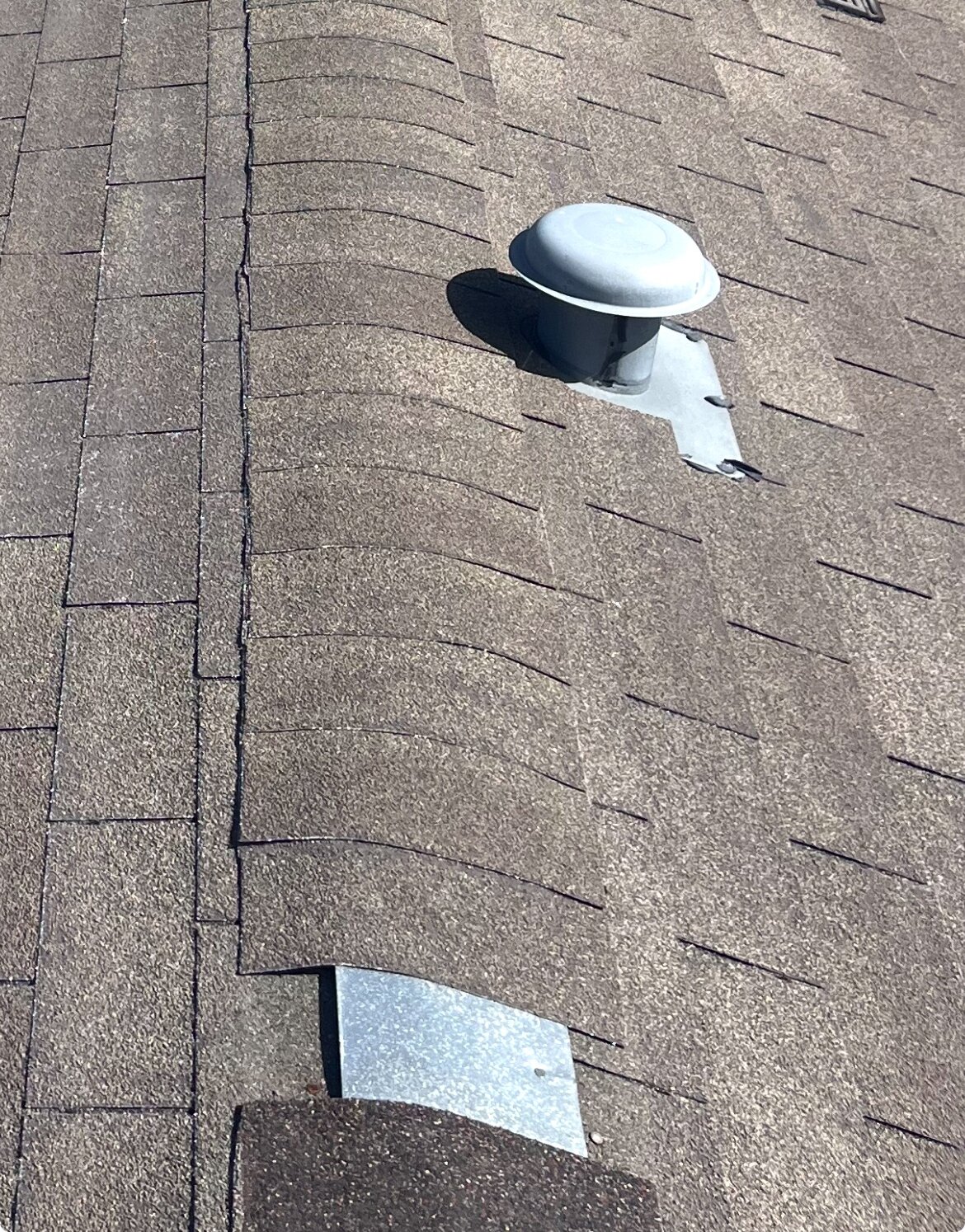
As shingles age, they lose flexibility and durability. Look for:
- Shingles curling at the edges or corners
- Cracks or splits in the shingles
- Missing shingles after wind or storms
These are clear indicators your roof is deteriorating and no longer providing proper protection.
3. Granules in Gutters or Around Your Home
Asphalt shingles shed granules as they age. If you notice excessive granules collecting in your gutters or at the base of your downspouts, your roof’s protective layer is wearing away. Without granules, shingles are more susceptible to UV damage and water intrusion.
4. Leaks, Water Stains, or Mold Growth
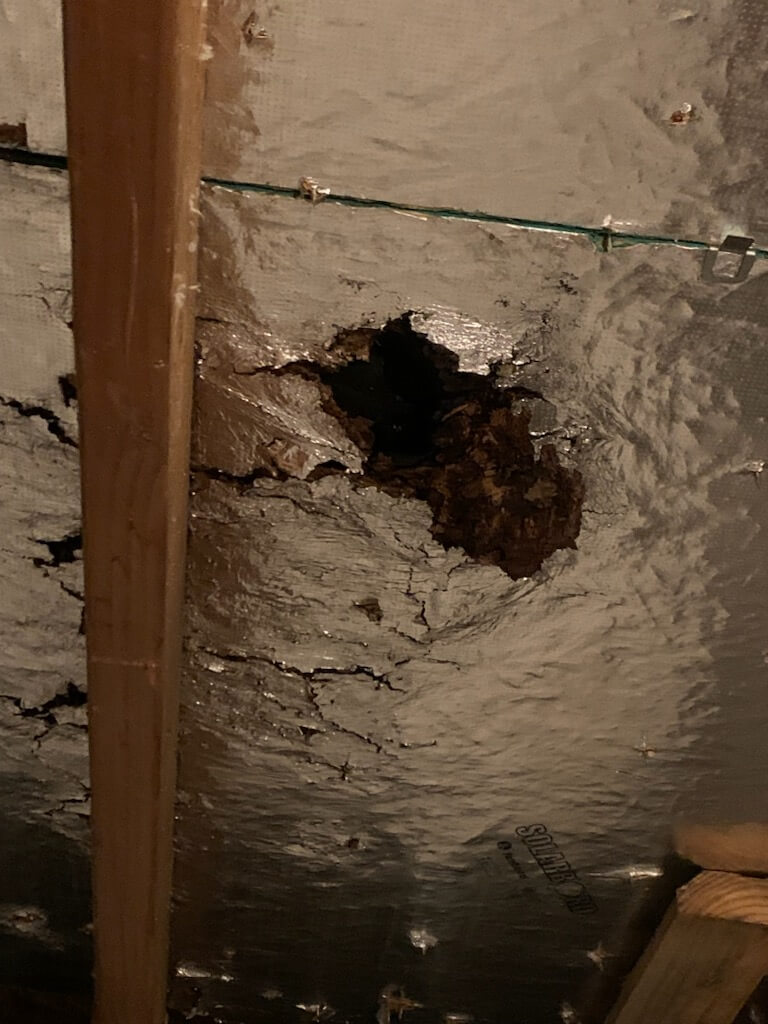
Water stains on ceilings or walls, damp insulation, or mold in your attic are serious warning signs. Even small, recurring leaks can indicate widespread roof failure rather than an isolated issue. An aging roof often allows moisture to penetrate in multiple areas.
5. Sagging Roof Deck or Soft Spots
A sagging roofline or soft areas when walking on the roof may signal rotting decking caused by long-term moisture exposure. This is a structural concern that typically requires roof replacement rather than repair.
6. Fading or Discoloration
Sun exposure in Texas can cause shingles to fade unevenly or appear blotchy. While some discoloration is cosmetic, significant fading often means the shingles have lost their protective oils and are breaking down faster.
7. Frequent Repairs Are Adding Up
If you find yourself calling for roof repairs more often—especially after storms—it may be more cost-effective to replace the roof instead of continuing to patch problems. Repeated repairs are often a sign the roofing system is failing as a whole.
8. Poor Energy Efficiency
An aging roof can contribute to higher energy bills. Damaged or deteriorating roofing materials may allow heat to enter your home, forcing your HVAC system to work harder—especially during hot Texas summers.
Why Early Replacement Matters
Waiting too long to replace an aging roof can lead to:
- Interior water damage
- Mold growth
- Structural wood rot
- Higher repair costs
Catching the problem early allows you to plan ahead, budget accordingly, and protect your home before major damage occurs.
Schedule a Professional Roof Inspection
If you’ve noticed any of these signs—or if you’re unsure about your roof’s condition—it’s best to have it inspected by a trusted local professional.
Roof Repair and Leak Experts Plus provides honest roof inspections, expert recommendations, and high-quality roof replacements for homeowners throughout New Braunfels and surrounding Central Texas areas.
 Contact Roof Repair and Leak Experts Plus today to schedule your roof inspection and protect your home before small problems turn into costly repairs.