If you’ve noticed water stains on your ceiling near your fireplace or moisture around your chimney after a rainstorm, you may be dealing with a chimney leak. Chimneys are one of the most common areas where roof leaks occur, yet many homeowners don’t realize there’s a problem until water has already caused damage inside the home.
At Roof Repair & Leak Experts, we regularly inspect and repair chimney leaks throughout New Braunfels and Central Texas. Understanding what causes chimney leaks and how to properly maintain your chimney can help prevent costly repairs down the road.
What Causes Chimney Leaks?
Many homeowners assume the chimney itself is leaking, but the actual source of the problem is often one of the roofing components surrounding it.
1. Damaged or Improper Chimney Flashing
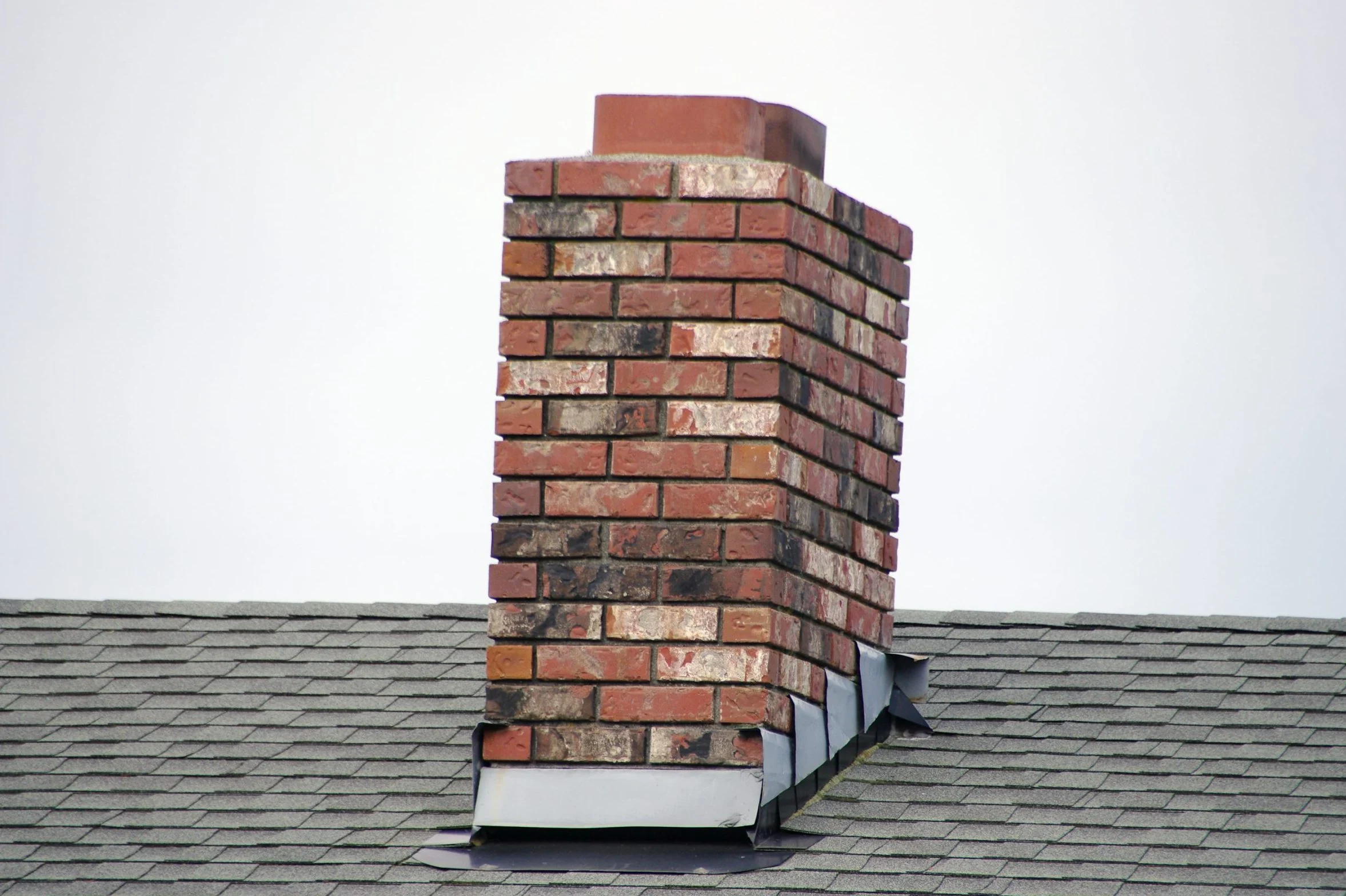
Flashing is the metal material installed where the chimney meets the roof. Its purpose is to direct water away from the joint between the roof and chimney.
Over time, flashing can:
- Rust or corrode
- Separate from the chimney
- Become loose during storms
- Develop gaps from thermal expansion and contraction
- Be improperly installed during a roof replacement
When flashing fails, water can easily work its way beneath shingles and into your home.
2. Rotten or Damaged Chimney Siding
Many modern chimneys are covered with siding rather than brick. In Central Texas, we frequently see wood siding on chimney chases become damaged from years of exposure to rain, heat, and UV rays.
Signs of chimney siding damage include:
- Soft or rotted wood
- Cracked siding panels
- Peeling paint
- Warping or swelling
- Visible gaps where water can enter
Once water penetrates the siding, it often travels behind the walls and into the attic before becoming visible inside the home.
3. Deteriorated Chimney Trim
Chimney trim plays an important role in protecting exposed edges and transitions around the chimney structure.
Common trim issues include:
- Cracked caulking
- Wood rot
- Missing sections
- Open joints
- Storm damage
Even small gaps in chimney trim can allow significant amounts of water intrusion during heavy Texas rainstorms.
4. Failed Sealants and Caulking
The sealants around flashing, trim, and siding eventually break down due to:
- Extreme temperatures
- UV exposure
- Heavy rainfall
- Age
Once these seals fail, water can begin entering areas that were previously protected.
How to Maintain Your Chimney and Prevent Leaks
Routine maintenance can dramatically extend the life of your chimney and roofing components.
Inspect Your Chimney Annually
At least once per year, inspect your chimney for:
- Loose flashing
- Cracked caulking
- Damaged siding
- Peeling paint
- Rotting trim
- Missing shingles around the chimney
Many chimney leak issues can be caught early before they become major repairs.
Keep Sealants Fresh
Professional roof maintenance should include inspecting and replacing deteriorated sealants around chimney flashing and trim.
This simple preventative maintenance can help prevent water intrusion and extend the life of the chimney structure.
Repair Damaged Siding Quickly
Small areas of siding damage can rapidly worsen once moisture enters the material. Replacing damaged siding early is often much less expensive than repairing water damage later.
Schedule Regular Roof Maintenance
A professional roof maintenance program can identify chimney-related issues before leaks develop. During maintenance visits, roofing professionals can inspect flashing, sealants, shingles, siding, and trim for signs of wear.
What to Do If Your Chimney Starts Leaking
If you notice water stains, dripping water, or signs of moisture near your chimney, take action immediately.
Step 1: Document the Damage
Take photos of:
- Ceiling stains
- Wet drywall
- Water intrusion
- Exterior chimney damage
This documentation can help during inspections and insurance discussions if necessary.
Step 2: Don’t Ignore the Problem
Even a small leak can lead to:
- Mold growth
- Rotten roof decking
- Damaged insulation
- Interior drywall damage
- Structural deterioration
The longer a leak continues, the more expensive the repair often becomes.
Step 3: Schedule a Professional Roof Inspection
A qualified roofing contractor can determine whether the leak is coming from:
- Flashing
- Siding
- Trim
- Roofing materials
- Chimney cap
- Other roof penetrations nearby
Proper diagnosis is critical because chimney leaks are often mistaken for other roofing issues.
Chimney Leak Repair in New Braunfels, TX
At Roof Repair & Leak Experts, we specialize in finding and repairing roof leaks, including difficult chimney leaks that other contractors may overlook.
Our team thoroughly inspects chimney flashing, siding, trim, roofing materials, and surrounding components to identify the true source of water intrusion and provide lasting repairs.
If you’ve noticed signs of a chimney leak or would like a professional roof inspection, contact Roof Repair & Leak Experts today. Catching a chimney leak early can save you thousands of dollars in future repairs and protect your home from unnecessary water damage.
Need help with a chimney leak in New Braunfels or Central Texas? Contact Roof Repair & Leak Experts today for a professional roof inspection and leak assessment.